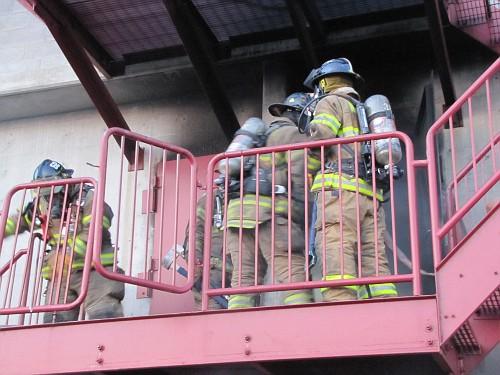
| On Monday April 5th, 2010 the active firefighters of the Good Will Fire Co. No.2 spent their weekly training session covering the basic skills required to safely, efficiently, and effectively extinguish basement/cellar fires. Each week, except the 2nd Monday of the month, which is when the company meeting is held, the active firefighters of the Good Will Fire Co. No.2 gather to train on the basic skills that are required to be proficient at their job. Drills start at 6pm, when some members of the Good Will and Fame Fire Companies gather to complete an intense physical fitness program. At 6:30pm, although the checks are usually done by then, weekly apparatus checks are completed. Weekly apparatus checks are completed to ensure that the fire truck and every piece of equipment that is carried is in working order and ready for use whenever needed. During this time, officers are giving out apparatus riding assignments, completing reports, and ensuring everything is ready for the training session.
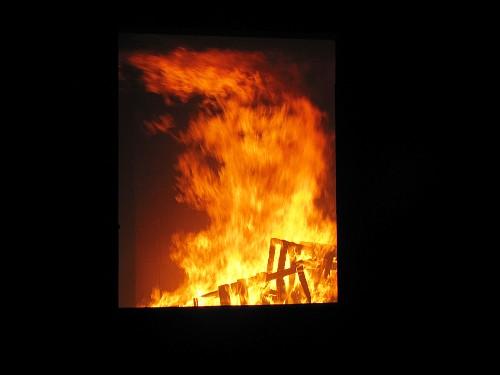
This week the officers of the Good Will Fire Co. No.2 chose to conduct basement/cellar fire drills. While firefighting is an inherently dangerous profession, basement/cellar fires bring a higher level of danger to firefighters because of their design, construction, layout, and contents. Basements are usually either fully or partially underground which may only have one means of entry and egress, most basement windows are small and limit ventilation of smoke, fire, and superheated gases, and the fire is attacking the floor joists and sub flooring, which may be the means of entry for us.
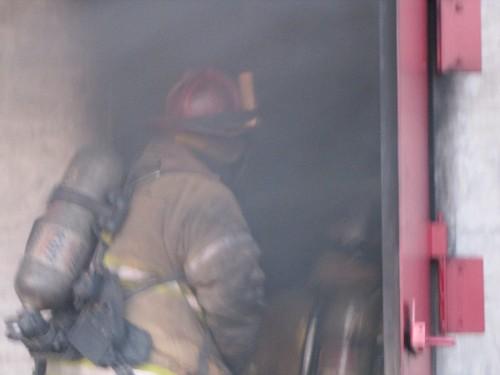
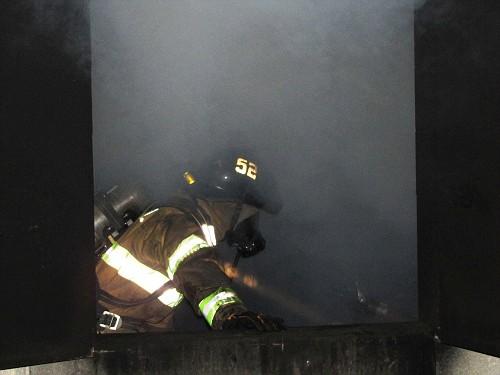
The members arrived at the West Chester Fire Training Center by 7pm, where they were briefed by the officers about the goal of the drill and the expectations of the officers. Each member was broken down into three groups and they were then rotated through three different stations. Station 1 was the initial hose line station; this station simulated advancing the first hose line into the building to extinguish the fire. Station 2 was the back up hose line station; this station simulated advancing a back up hose line into the building to protect the initial hose line and to prevent the fire from extending throughout the building. Station 3 was the primary search station; this station simulated performing a primary search, for trapped occupants and fire, of the basement and the floors above.
Each group rotated through all three stations throughout the course of the drill, after each evolution the officers conducted a critique to correct any mistakes and to highlight skills that were performed correctly. The members were back at the fire house around 10:00pm, where they cleaned all equipment that was used, repacked hose, and held their weekly active crew meeting. Good job to all the members and officers that attended this drill, your dedication speaks volumes! |